CLASSICAL
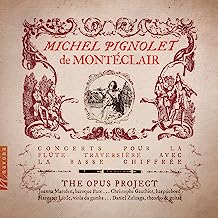
Michel Pignolet de Monteclair
Concerts pour la flûte traversière avec la basse chiffrée (2 discs)
The Opus Project
Navona (dist. Naxos)
NV 6533
After there was Lully but before there was Rameau, there was Montéclair — a musician best known in his day as a pedagogue but today celebrated as both a pioneer of composition for the transverse flute as a solo instruments and one of the finest French composers of the early 18th century. The four “concerts” presented on these two discs are not concertos, but more like suites, each composed of ten to fifteen brief pieces. Sometimes the component movements are presented as dances (gigues, menuets, etc.) but Montéclair uses other unifying themes as well: the first concert is an assortment of tunes designed to represent different regions and cities of France and Italy; the fourth concert conveys a variety of moods, emotions, and mythological figures. All of this makes the music simultaneously familiar and unusual, and the playing by The Opus Project conveys the kaleidoscopic variety of these pieces with joy and vigor. Highly recommended to all libraries.
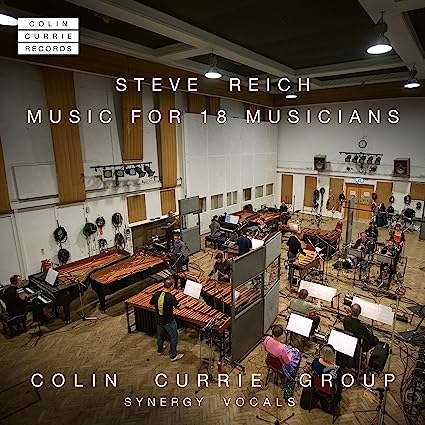
Steve Reich
Music for 18 Musicians
Colin Currie Group; Synergy Vocals
Colin Currie (dist. Integral)
CCR0006
When I was 17 years old, I bought a used LP copy of Steve Reich’s original ECM recording of Music for 18 Musicians, and I never listened to music the same way again. It was my first introduction to the first-generation minimalist school of composers that also includes Philip Glass, Terry Riley, and La Monte Young, and it led me into a whole new world of contemporary classical music. 40 years later I still listen to this piece with the same wonder and excitement I did then: the hypnotic pulse offset by phase-shifting rhythms; the melodies that seem to emerge out of nowhere and then gradually transform themselves before fading out again; the reed instruments playing in such tight patterns that they almost sound like a synthesizer — the music is both intellectually engaging and emotionally ravishing. And there’s no one who plays Reich more compellingly right now than percussionist Colin Currie and his ensemble. There are lots of great recordings of this work out there, but this is the one I’d most strongly recommend at the moment.
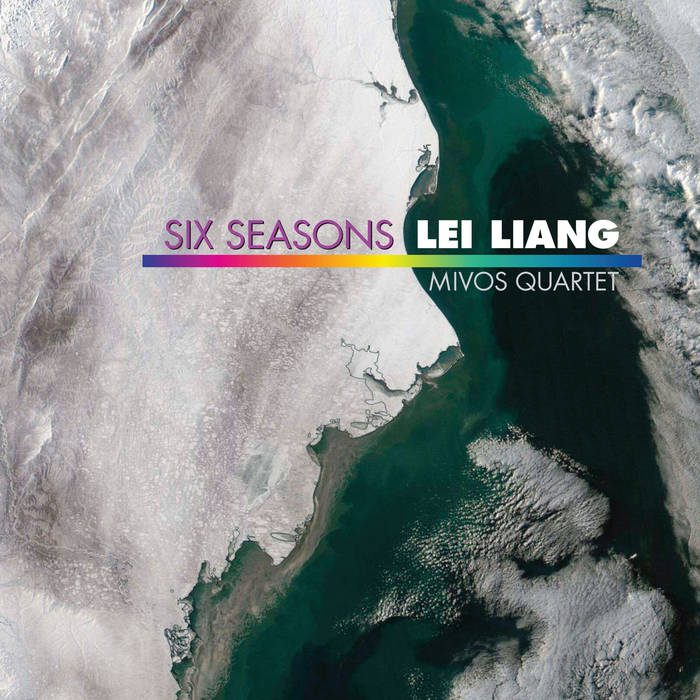
Lei Liang
Six Seasons
Mivos Quartet
New World
80840-2
If you’re looking for some contemporary classical music that is on the more challenging, abrasive (literally) side, look no further. Lei Liang’s Six Seasons, written for “any number of improvising musicians and pre-recorded sounds,” is here performed by the Mivos Quartet and consists of six movements (plus a coda) of creaks, scratches, squalls, clicks, rumbles, crunches, echoes, and cries. The pre-recorded sounds were recorded by hydrophones placed 300 meters below the surface of the Chukchi Sea, north of Alaska, and include noises made by sea ice, marine mammals, and other elements of the underwater environment over the course of a year. The string players’ improvised accompaniment is not always easily distinguishable from the recorded sounds (particularly on the lovely but eerie “Season 4: Migration”) but is sometimes harshly abrasive, bordering on assaultive; interestingly, the movement subtitled “Sunrise” grows gradually to an almost unlistenable cacophony, while the movement subtitled “Cacophony” is delicate and beautiful. It’s a fascinating work overall.
Eugène Walckiers
String Quintets no. 2 & 4
Fabergé-quintett
ES-DUR (dist. MVD)
ES 2084
A student of Anton Reicha and a famous flutist in his day, Eugène Walckiers is primarily remembered today for his chamber compositions for that instrument, which represent much of his early output. But later in life he turned in a more concentrated way toward larger-scale chamber music for other instruments, and these two string quintets show his maturity as a composer and his simultaneous love of both tradition and innovative style: both pieces are built on a foundation of classical sonata structure, but their unusually long initial movements point to a willingness to tweak convention. In terms of melodic and harmonic content, both pieces reflect the flowering of the Romantic style that was by this point fully ascendant in his adopted home of Paris, and the Fabergé-quintett deliver these works (on modern instruments) with all the energy and emotional investment one could ask for.
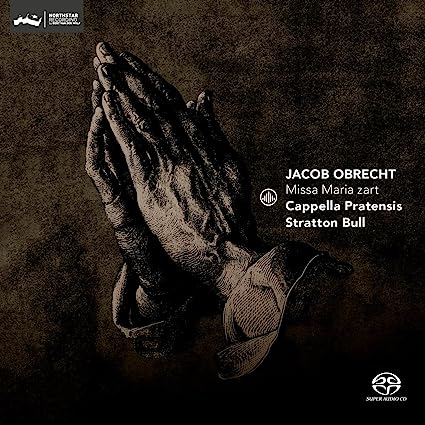
Jacob Obrecht
Missa Maria zart
Cappella Pratensis / Stratton Bull
Challenge Classics (dist. Naxos)
CC72933
Jacob Obrecht’s parody mass on the Marian devotional song “Maria zart” is an outlier among Renaissance Masses in both its complexity and its duration: although it is a Mass ordinary that contains only five sections, it takes almost an hour to perform. As for its complexity, scholars have compared it to the work of 20th century avant-gardism Karlheinz Stockhausen, and choral ensembles have long struggled to fully convey its rhythmic subtleties. This the all-male Cappella Pratensis has tried to do for the first time with this recording, and while I’m not enough of a specialist to be able to judge their success with regard to the mensural notation, I can say with great confidence that this is among the most attractive recordings of Obrecht I’ve heard in a long time. Although my usual preference is for mixed-voice choirs, Cappella Pratensis sing with impeccable intonation and a gorgeous blend, and this album is a pleasure from start to finish.
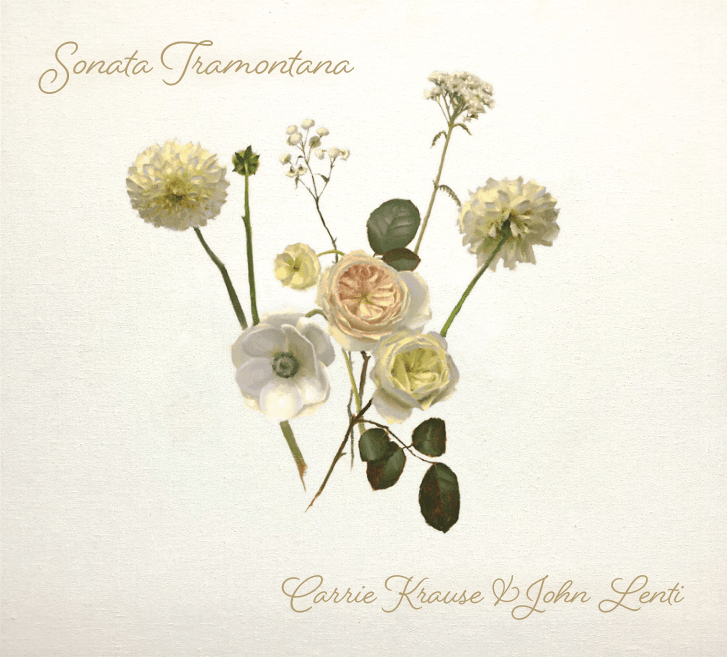
Various Composers
Sonata Tramontana
Carrie Krause; John Lentl
Black Bear
BMM 01
This delicately beautiful recording is (to the musicians’ knowledge) the first commercially-released period-instrument recording to come out of the state of Montana, and it makes an auspicious beginning to what will hopefully become a flourishing early music recording scene there. More importantly, this disc features exceptionally fine performances of chamber works by seldom-heard composers (Philipp Friedrich Böddecker, Bellerofonte Castaldi, etc.) alongside more popular ones (Heinrich Bieber, Johann Schmelzer, etc.). The pieces are all performed by baroque violinist Carrie Krause either as a soloist or in duet with theorbo player John Lenti, and the performances are a model of elegant and engaging period practice. The production quality is also excellent. For the performers, “the pieces on this album will forever be connected with the scenes rolling past our car window during tours or on pre-concert morning runs: a snowy mountain pass… a golden field of the prairie… the great cliffs and canyon of the Missouri River…”. While those images of memory may not be available to most listeners, imagining them in the context of this music does give it a whole different kind of resonance. Though quite pricey, this disc is recommended to all libraries. (The digital version is much cheaper.)
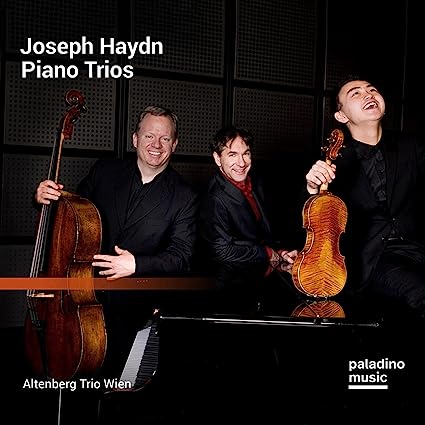
Franz Joseph Haydn
Piano Trios
Altenberg Trio Wien
Paladino Music (dist. MVD)
PMR 0132
Franz Joseph Haydn
Heretic Threads (2 discs)
Boyd McDonald; Joseph Petric; Peter Lutek
Astrila
No cat. no.
On the first album in this entry, Altenberg Trio Wien give absolutely sparkling and thrilling accounts here of five works from late in Haydn’s career but early in the development of the piano trio as a form. Playing on modern instruments, this group conveys not only the structural and melodic brilliance of these pieces, which are arguably among the finest examples of the form ever written, but also the sheer joy that emerges from the real-time manifestation of such formal virtuosity. I’ve listened to a lot of Haydn in my life but I don’t think I’ve ever been as enthralled by a Haydn performance as by this one. For a very different approach to Haydn’s chamber music (the keyboard sonatas, in this case) consider Heretic Threads, a two-disc set featuring interpretations of two sonatas and one fantasia from Hob.XVI. Disc 1 finds Boyd McDonald playing the pieces expertly and winningly on a fortepiano of the kind that was in common use during Haydn’s day. The second disc features the same pieces being interpreted on the concert accordion(!) by Joseph Petric. These performances are no less compelling but obviously bring a completely different vibe, and are both fun and interesting. The final piece on the program is an electronic composition by Peter Lutek that uses the previous two recordings along with “audio ephemera excavated from the recording sessions” to create something entirely new and decidedly out of the classical character. It’s frankly a blast. This recording would make an excellent pedagogical tool and should find a happy home in most academic collections.
JAZZ
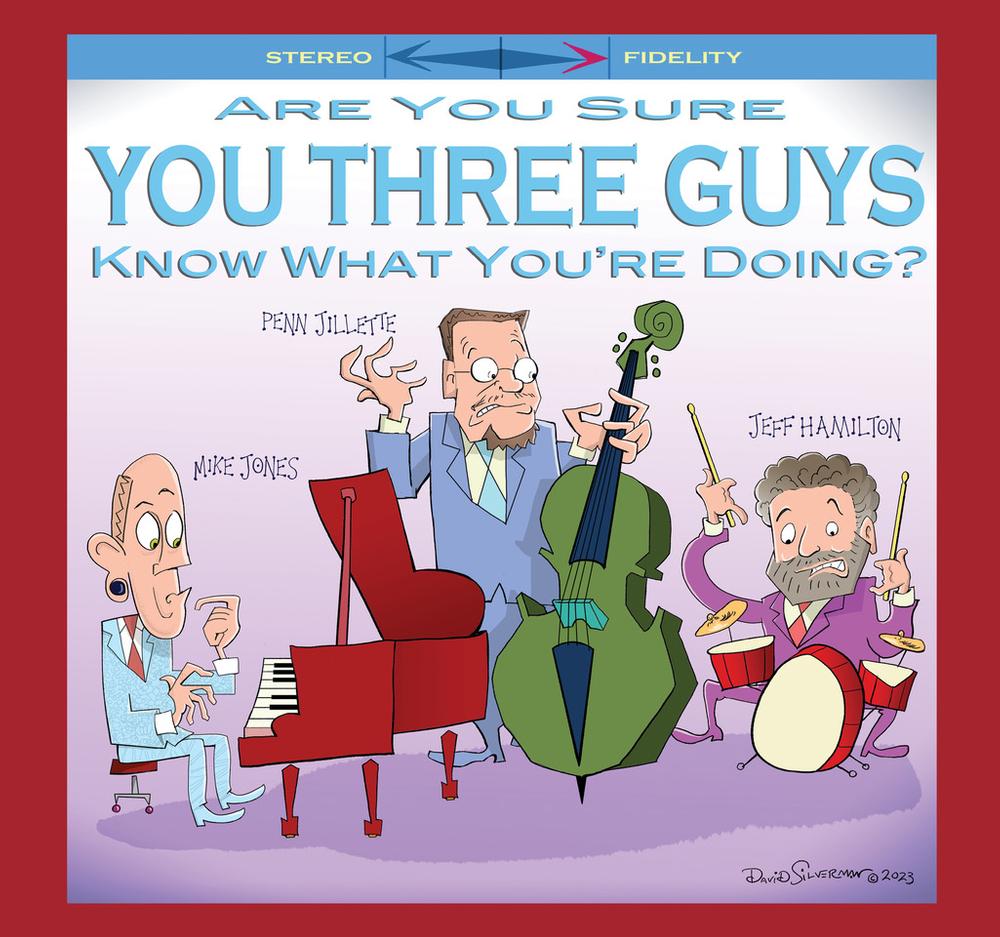
Mike Jones Trio
Are You Sure You Three Guys Know What You’re Doing?
Capri
74169-2
To look at Mike Jones, with his elaborate tattoos and ear gauges and everything, you would never guess that he’s such a straight-ahead, hard-swinging, deeply tradition-based pianist. But when he puts together a program of standards he basically takes you on a tour of jazz piano history: those big orchestral chords on “Watch What Happens” evoke strong memories of Errol Garner; his impressionistic intro to “On Green Dolphin Street” is like a tribute to Bill Evans; his strutting midtempo take on the Sonny Rollins classic “Doxy” contains more than a hint of Oscar Peterson’s high-octane virtuosity. I realize I’m making Jones sound like a derivative pianist, but it’s not that — he’s a master, and that means he’s mastered a curriculum. Oh, and did I mention that he’s got Jeff Hamilton on drums and the very tasteful Penn Jillette on bass? Great, great stuff.
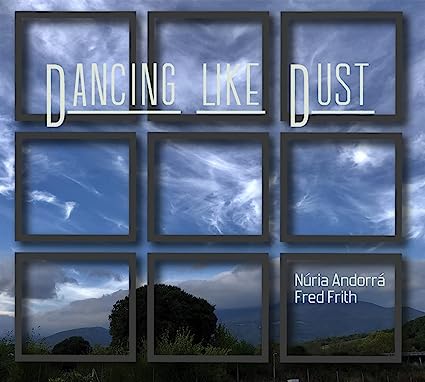
Núria Andorrá; Fred Frith
Dancing Like Dust
Klanggalerie (dist. MVD)
gg429
This is a mix of live and studio performances by the legendary avant-garde guitarist Fred Frith and percussionist Núria Andorrá, all of them fully improvised. No one who is familiar with Frith’s previous work will be surprised by the sounds he makes here — using a bottomless toolbox of implements and extended techniques he coaxes a seemingly endless variety of noises from his instrument. More surprising is the work of Andorrá; many of the sounds she creates are barely recognizable as percussive. To call this “noise” music would be to give the wrong impression; there’s nothing skronky or assaultive about it. Instead, it’s subtle and infinitely detailed and filled with good humor and intelligence. Believe it or not, sometimes the music actually borders on lyrical. Highly recommended.
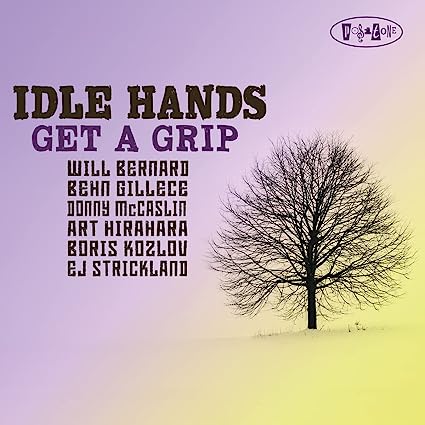
Idle Hands
Get a Grip
Posi-Tone
PR8245
Idle Hands is a jazz supergroup, a sextet that features Will Bernard (guitar), Behn Gillece (vibes), Donny McCaslin (tenor sax), Art Hirahara (one of my favorite pianists currently working), Boris Koslov (bass), and EJ Strickland (drums). Their second album is an all-original program that offers compositions by every member of the group (the one exception is a bustling rendition of Charles Mingus’s slyly humorous composition “Monk, Bunk and Vice Versa”). Just about every track here would count as a highlight on any other jazz album: Gillece’s nimble, boppish “Show of Hands” and his somewhat Tristano-esque composition “The Great Quarterly”; Hirahara’s cheerfully headlong “Soho Down”, Strickland’s thoughtful jazz waltz “Presence,” McCaslin’s gently funky “Memphis Redux.” The overall style is straight-ahead, but none of these guys is afraid to get just a little bit “out” from time to time — particularly McCaslin, who flirts with a Coltrane-ish “sheets of sound” approach and sometimes indulges an edgier tone than one might expect. These are all amazing musicians who work together beautifully.
Aline’s Étoile Magique
Éclipse
Elastic
ER 009
Though trained as a jazz violinist, Aline Homzy makes music that doesn’t push the boundaries of jazz as much as it blithely and cheerfully ignores them. Her compositions unfold with something like dream logic — they’re genuinely weird but always feel like they make sense while you’re listening. Then afterwards you ask yourself “Wait, what was that?”. Take, for example, “Cosmos,” which is like a walk through eight or nine different rooms in each of which an entirely different party is taking place — but all with the same people. Others, like the Latin-inflected “Circa Herself,” are more conventionally structured, but they just set you up to be surprised by what will come later: the lilting jazz waltz of “Aliens Are Pieces of Wind” that suddenly morphs into a gently stomping, almost rockish fusion piece; the conventionally swinging “La belle et l’abeille” on which Homzi’s solos meander off in oddly chromatic directions; the dubwise excursion in the middle of “Mesarthim.” This is an utterly unique album, and a great one.
FOLK/COUNTRY

Sarah Morris
Here’s to You
Sarah Morris Music
No cat. no.
When it comes to country music, the line between a pleasant honky-tonk lope and a dreary plod can be thin and treacherous. On the album-opening title track from Sarah Morris’s fifth album, I at first thought that maybe she was falling on the wrong side of that line — but what soon became clear, especially as the light and golden-hued warmth of her voice took hold, was that she was actually dancing on it with grace. Elsewhere she dances with similar agility back and forth across other lines of demarcation — like the one that separates folk pop from roots rock (“You Are [Champagne on a Wednesday]”) or the one that separates dream pop from everything else (“Something That Holds,” ” The Longest Night”). Throughout the program it’s the melodies she writes that hold everything together, and her delicate but utterly reliable voice that makes it all worth hearing and re-hearing.
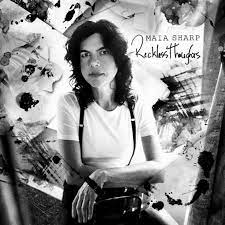
Maia Sharp
Reckless Thoughts
Self-released
No cat. no.
I’ve been a fan of Maia Sharp ever since I heard (and recommended) Mercy Rising a couple of years ago. On her new album she moves from strength to strength. Her songwriting skills have made her a go-to songwriter for the likes of Bonnie Raitt, Cher, and Trisha Yearwood, but her own voice makes the songs that much more compelling, in my view. Technically it’s probably an alto, but often it reminds me of Neil Young’s falsetto (in a good way). Ultimately, though, it’s the songs themselves that hit you the hardest, and it’s often small and subtle moments: the way the melody steps down on the lines “She’ll let herself out/She’ll let herself out”; the way she follows the line “I built that city” (one that we all unconsciously expect to be followed with “… on rock’n’roll”) with “… while the ground was still shifting.” Sharp has recently settled in Nashville, but it doesn’t seem to have budged her from her unique songwriting vision — there are elements of country and roots here, but this is really just Maia Sharp music, and all the better for that.
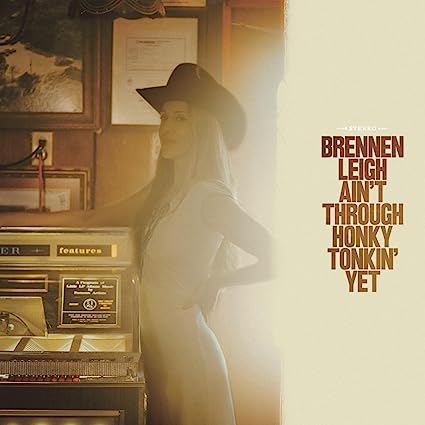
Brennen Leigh
Ain’t Through Honky-Tonnkin’ Yet
Signature Sounds (dist. Redeye)
SIG-CD-2150
Sarah Morris and Maia Sharp may spend their times in the shadowy margins of musical genre, but Brennen Leigh is an unapologetic fan and exponent of classic Nashville country. The title of her new album tells you exactly what you need to know: song titles like “Somebody’s Drinking About You” and “When Lonely Came to Town” evoke a time when punning wordplay and weepy lyrics combined to make radio hits, as long as they were combined with hooky tunes, a whining steel guitar and lush choral backing vocals. “The Red Flags You Were Waving” boasts a Waylon Jennings-style slow two-step beat and a throaty resonator guitar, while the title track sounds like it was both written and recorded at RCA Studio B (maybe right after a Jim Reeves session, using the same musicians). Leigh’s voice is strong and clear, with just a tastefully perfect hint of a sob. Highly recommended.
Ronn McFarlane & Carolyn Surrick
And So Flows the River
Flowerpot Productions
No cat. no.
After some internal debate, I decided to place this one in the Folk/Country category. Why (you may well ask), given that a) Ronn McFarlane plays the lute and Carolyn Surrick the viola da gamba, b) a significant amount of the material is from classical composers like Bach, Satie, and Dowland, and c) the program includes a version of “Over the Rainbow”? And the answer is: vibe. Like Surrick’s group Ensemble Galilei, this duo takes material from a variety of sources and traditions and makes it sound both elegant and folky. And also, the thematic through-line of this program is undeniably trad: tunes by Turlough O’Carolan and John Jacob Niles are scattered throughout, as are original compositions by both McFarlane and Surrick that come very much from a folky place. Smatterings of North African percussion (courtesy of Yousif Sheronick) add yet another layer to the mixture. Recommended.
ROCK/POP
New Math
Die Trying & Other Hot Sounds (1979-1983)
Propeller Sound Recordings (dist. Redeye)
CD-PSR-012
Don’t feel bad if you’ve never heard of New Math — they flourished briefly in the rather insular Rochester, NY scene and never quite broke through despite recording a single with British CBS and an EP with the American indie label 415 Records; a skimpy 1984 album on the Brain Eater label appears to have been their last gasp. This disc brings together some of their early singles and demos, and reveal them during these early years exploring a blend of backward-looking 1950s/60s elements (the hesitation-step rhythms of “Angela,” the Clash-y punkabilly of “Johnny’s on Top”) and edgy, sometimes ironic postpunk flourishes (that Springsteenesque tambourine on “Take to the Night,” the headlong hardcore tempo of “The Restless Kind”). Any library that collects in American pop music history should check this one out.

The Rocket Summer
SHADOWKASTERS
Aviate
1982
Bruce Avary burst onto the music scene twenty years ago with Calendar Days, a breathtaking tour de force of self-produced, one-man-band power pop. Over the years since he has expanded his sonic palette to include elements of electronica and dance music, and on SHADOWKASTERS he mixes it all together: you can hear electropop creeping in from all directions even as the core of his sound remains crunchy guitars and lush conventional keyboards. And as always, the hooks are everywhere: “M4U” and “Stuck Inside Your Light” (both previously issued as singles) blend crunchy guitars and blissful melody, bringing in subtle breakbeats as well. “Hope Is a Treacherous Drug I’m Getting High Though” flirts with a sort of Parliament/Family Stone funk, while “Disco in Circles” is a much more electro-sounding, almost claustrophobic groove counterbalanced by Avary’s angelic tenor voice. This man is a genius, and any library with a collecting interest in pop music should jump at the chance to pick up his latest album.
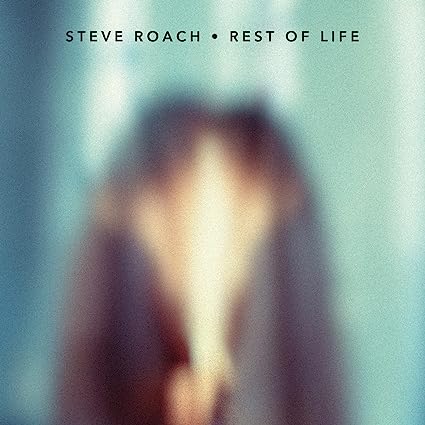
Steve Roach
Rest of Life (2 discs)
Projekt (dist. MVD)
406
For ambient music to be (in my estimation) worth recommending to libraries, it has to be more than just pretty or pleasant: it needs to be interesting. It should be music that you can ignore if you want while you do things like read or focus on work tasks, but that rewards your attention if you stop and attend to it. The latest from Steve Roach (a composer whose music, I must confess, sometimes leans a bit too far in the New Age direction for my taste) achieves that balance perfectly. The music floats and drifts without anything that feels like a purposeful chord progression, but at the same time there is real complexity here: listen to the harmonic structure of those floating chords on “Future Informing,” for example. All six of the featured compositions (the last one a disc-length, hour-long meditation on “the unexpected harmony of chance and expanding time”) are both deeply pleasant and genuinely interesting. Highly recommended.
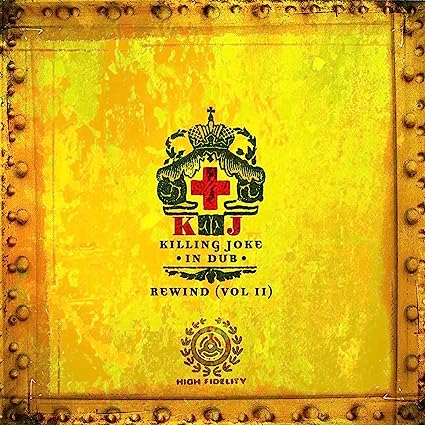
Killing Joke
In Dub: Rewind (Vol. II)
Cadiz (dist. MVD)
CADIZCD252
Killing Joke was that rarest of things: a truly unique punk band. Their music was harsh and angry and confrontational, but also dense, swirling and sometimes surprisingly melodic. So what would lead someone to want to give that band’s music the dubwise treatment? Here it’s important to understand that Killing Joke’s original bassist, Martin Glover (better known as Youth), has a longstanding connection to experimental techno and dub reggae and has made a huge name for himself as a producer in that vein. So really, it was the most natural thing in the world for him to dive back into the Killing Joke catalog and reinterpret it through the dub lens. To be clear, this is not a reggae album, though a couple of tracks do incorporate skanking dancehall backbeats: it’s a re-envisioning of classic KJ material like “Bloodsport,” “Change,” and “I Am the Virus” with radically remixed instrumental and vocal parts and lots of new effects. I somehow slept on Volume I and now need to seek it out…
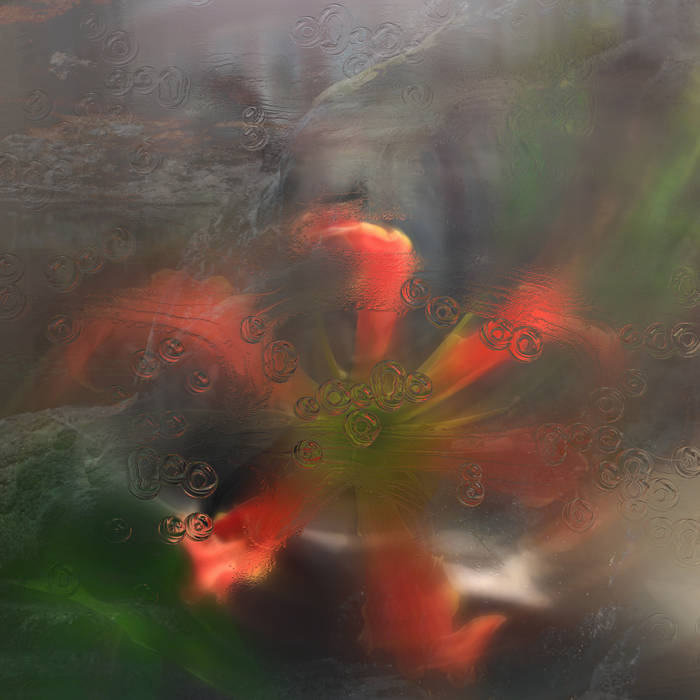
upsammy
Germ in a Population of Buildings (digital & vinyl only)
PAN
PAN132
You’ve heard of dream pop? How about dream bass? The second album from upsammy “is rooted in her interest for ambiguous environments in constant shift, and the feeling of discovering strange patterns in different ecosystems,” which I realize may make it sound like a boring exercise in abstract concept music, but that’s not what it is at all. Sammy’s compositions and constructs are rich and detailed without ever sounding dense or ponderous — there are microscopic rhythmic details (tiny little clicks and glitches that add funkiness in subtle ways) nestled among juddering sub bass, manipulated vocals, and pulsing grooves that phase in and out of the mix. Listening to this album is a bit like wandering through a huge and virtuosically designed building that is filled with unexpected spaces and beautiful artistic elements tucked into surprising nooks and corners. Highly recommended to all libraries.
WORLD/ETHNIC
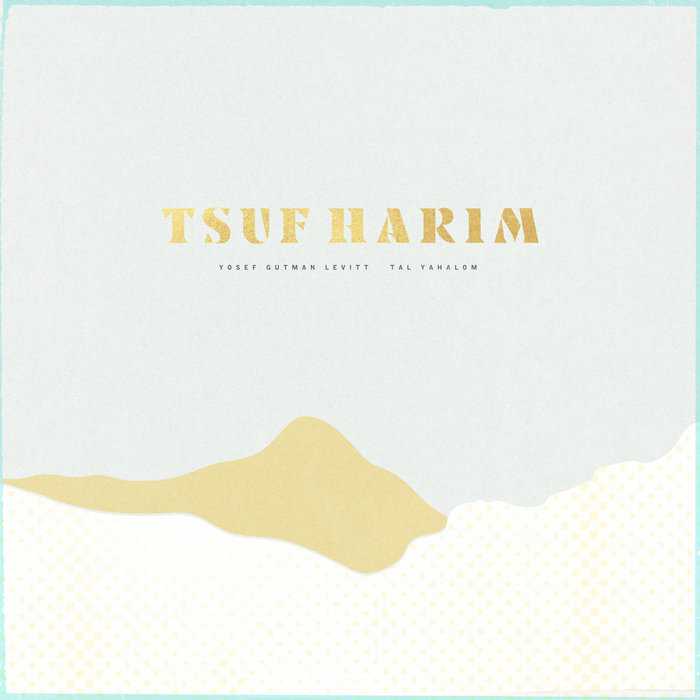
Yosef Gutman Levitt; Tal Yahalom
Tsuf Harim
Soul Song
No cat. no.
This gently gorgeous album by bassist Yosef Gutman Levitt and guitarist Tal Yahalom is an exploration of nigunim — traditional wordless Jewish melodies, in this case collected by Eli Rivkin from among the Lubavitcher Hasidim of Russia. Levitt plays both upright bass and acoustic bass guitar, while Yahalom plays both nylon-and steel-string guitars; their parts are often multitracked, but never orchestrally; the sound is quiet, spare, and intimate. The melodies themselves are often played in the acoustic bass guitar’s high register while the upright bass lays down a harmonic foundation and the guitar plays chords, but some of the arrangements involve a more complex melodic back-and-forth. Everything here is quietly but stunningly lovely.
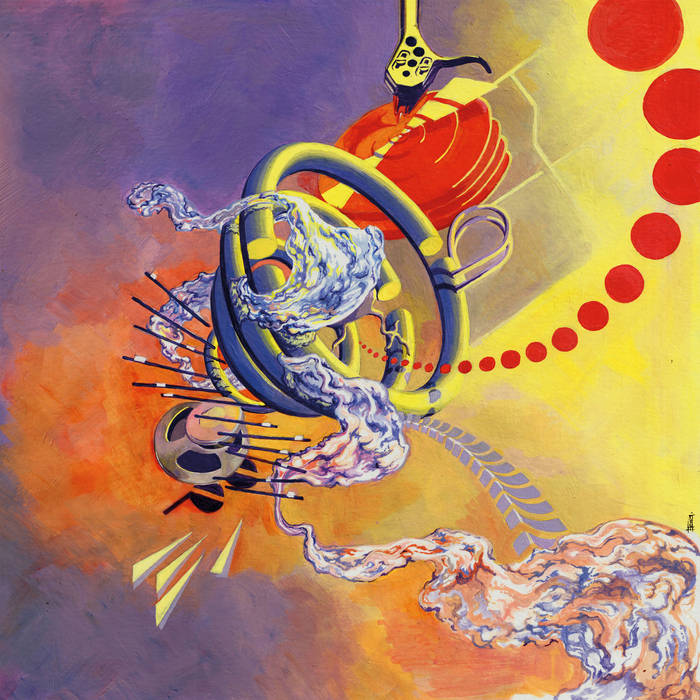
Mungo’s Hi Fi
Past and Present (digital & vinyl only)
Dumbarton Rock
DUMBYLP001
In reggae music, you usually get the vocal version before the dub remix. But the latest album from Glasgow reggae stalwarts Mungo’s Hi Fi reverses the traditional pattern: this album presents the full vocal versions of tunes that were originally issued on 2021’s Antidote, a dub album released during the height of the COVID pandemic when no one was touring and the sound systems were silent. Featuring stellar appearances by old-school legends like Lady Ann, Johnny Clarke, and Prince Alla alongside contributions from younger stars including Charlie P, Hollie Cook, and Kiko Bun, all supported by the elephantine grooves of the Mungo’s Hi Fi rhythm section, Past & Present beautifully demonstrates how strong the roots reggae scene remains – at least in Scotland. Highly recommended to all libraries.
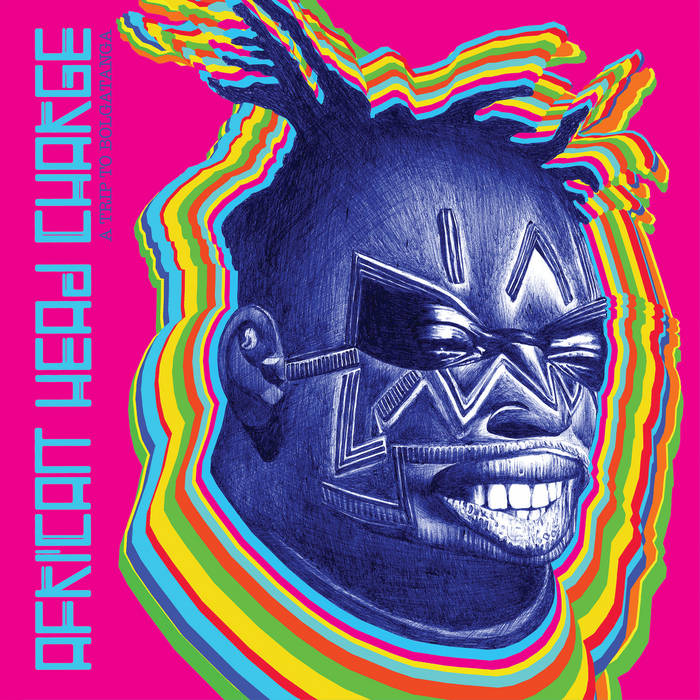
African Head Charge
A Trip to Bolgatanga
On U Sound (dist. Redeye)
ONUCD154
Back in the early 1990s, one of my earliest introductions to the mighty On U Sound label was the album Songs of Praise by African Head Charge. To this day that remains one of my desert-island discs; it’s a masterful piece of ethnomusicological rhythms-and-samples collage, the kind of thing that Alan Lomax might have created if he had traveled in Africa with a sampler and handed over all his field recordings to Adrian Sherwood for production and mixing. Now, after a 12-year hiatus, Bonjo Iyabinghi Noah (the mastermind behind African Head Charge) is back from a trip to Ghana with a new collection of weird and wonderful beats and textures. As always, his collaboration with Sherwood results in musical moments both baffling and entrancing: the bubbling and horn-heavy ¾-time title track; the bouncy, calypso-inflected “Accre Electronica”; the eerie falsetto vocals and mbira on “Never Regret a Day.” I’d still say Songs of Praise is the best introduction to African Head Charge, but this is a very fine album.
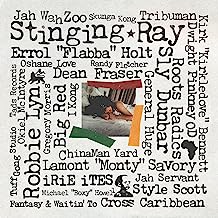
Stinging Ray
Fantasy & Waitin’ to Cross Caribbean (digital only)
ChinaMan Yard
No cat. no.
Let’s finish out this month’s issue with one more reggae release. This one comes from Stinging Ray, born Liu Ray. Ray emerged originally from Beijing’s bustling hip hop scene, but over the years eventually gravitated in the direction of deep, hardcore roots reggae. He subsequently cofounded the ChinaMan Yard label and his new album is a model of modern-but-traditional reggae music; the rhythms are provided by a shifting all-star cast that includes the late Errol “Flabba” Holt on bass, Dwight Pinkney on guitar, Sly Dunbar on drums, and many other musicians from in and around the international reggae scene. Ray’s voice is a sweet and clear tenor, and particularly when he sings in Chinese he creates a sound that is simultaneously unique and familiar. Highlights include the churning “Jalhouse Skanking” (along with its dubwise companion track), the gently devotional “Jah Forever Lives,” and an acoustic rendition of the calypso classic “Jamaica Farewell.” Reggae is an increasingly international musical genre, as thr work of Stinging Ray nicely illustrates.

 CD HotList
Pingback: April 2024 | CD HotList
Pingback: September 2023 | CD HotList