CLASSICAL
Michael Ranta
Transits: Volume 1 (2 discs)
Sarah Hennies; Madison Greenstone; Katie Porter; Bard College Conservatory Percussion Enseble
Important
IMPREC535
You may not know his name, but percussionist and composer Michael Ranta has been an important figure on the contemporary classical music scene since the 1960s, working with such figures as Karlheinz Stockhausen, Harry Partch, and Tori Takemitsu. This album consists of three works: Mharuva, a solo marimba piece that strongly evokes the sound of first-generation minimalism (especially Steve Reich); Seven Pieces for Three Percussionists (a more purely rhythmic piece for pitched and unpitched instruments); and Continuum II, for two bass clarinets, percussion, and electronics. Though the term may seem self-contradictory, this is old-school avant-garde music — for me it often brings to mind the work of midcentury composers like Bertram Turetsky and Jacob Druckman. Ranta’s pieces often require virtuoso technique, but the music here is never merely difficult; it’s both challenging and quite beautiful.
Various Composers
Nightfall
VOCES8
Decca Classics
4870458
As I was listening to this album and preparing to write the review, I realized I needed to search the CD HotList archive to check and see how recently I had used the word “luminous” to describe a recording. It’s been a few months, so here goes: this album is simply luminous in its beauty — which is a bit ironic, given that its overarching theme is nighttime. But what shimmer and glow with light are two things: the vocal ensemble’s glorious tone, and the quiet but intense music they have selected, which includes contemporary works by Max Richter, Ludovico Einaudi, Sigur Rós, and Koi Kondo, among others. Alert readers will have noted that not all of these composers operate in the mainstream of classical music — Sigur Rós, in fact, is a band generally categorized as “post-rock.” But the choral arrangements of these works are simply and stunningly beautiful, and are sublimely performed and recorded, and I have a very hard time imagining any listener not falling in love with this album. Highly recommended to all libraries.
Various Composers
Tempus omnia vincit
Protean Quartet
Linn (dist. Naxos)
CKD744
This is an unusual program from an unusual group — a conventionally configured string quartet playing on period instruments. (That’s not unique, but it’s unusual, in part because period-instrument groups tend to focus on music written before the advent of the string quartet as a compositional convention.) The music presented here includes (in order) a pavan and chaconne by Henry Purcell, Franz Schubert’s despairing “Rosamunde” quartet, his much more lighthearted fourth quartet in C major, an arrangement of Josquin Desprez’s “Mille regretz,” and a final Purcell miniature from his music for the opera Dioclesian. There’s an almost willful eclecticism to this program, but somehow it works beautifully — in large part because of this group’s (again, unusual) ability to perform music of such widely disparate idioms with equal conviction and persuasiveness. This is a remarkable album in multiple ways.
Franz Schubert; Johann Nepomuk Hummel
La Contemplazione: Hummel; Schubert
Eloy Orzaiz
IBS Classical (dist. Naxos)
IBS182023
The piano music of both Franz Schubert and the somewhat less well-remembered Johann Nepomuk Hummel exemplifies the emergence of a Romantic musical style from the long shadows of Viennese classicism — the style that composers like Mozart and Haydn had taken to its logical conclusion. Hummel was actually a protegé of Mozart, not only a student but also a houseguest for an extended period. Hummel and Schubert knew each other slightly and Hummel exerted a significant influence on Schubert’s style, but Schubert’s death at a young age robbed us of the chance to hear how their musical relationship might have developed. On this album, the excellent fortepianist Eloy Orzaiz bookends Schubert’s Drei Klavierstücke D 946 (composed just months before his death) with Hummel’s late Grande sonata brillante op. 106 and his Bagatelle op. 107, nicknamed “La Contemplazione,” illustrating how both composers helped to usher in the Romantic movement while simultaneously celebrating the classical. The playing is brilliant and the fortepiano used for these recordings is surprisingly robust-sounding.

Maria Rosa Coccia
Sacred Music from 18th Century Rome
Cardiff University Chamber Choir / Peter Leech
Toccata Classics (dist. Naxos)
TOCC 0359
The Italian composer Maria Rosa Coccia was a musical prodigy — a contemporary of Mozart, she was similarly precocious, demonstrating a jaw-dropping talent at an early age and passing the examination required for the title maestro di cappella at age fifteen. Unfortunately, actually getting hired in a Catholic Church as a female maestra di cappella was out of the question, and after a brief compositional career she abandoned music writing prior to her 30th birthday. For this album of world-premiere recordings, Peter Leech transcribed vocal works by both Coccia and several of her contemporaries found in two Italian manuscript archives. Not only is the music sumptuously beautiful, but the historical interest of these recordings is very significant. This disc should find a welcome home at any library with a collecting interest in classical music generally and in music by women composers in particular.
JAZZ
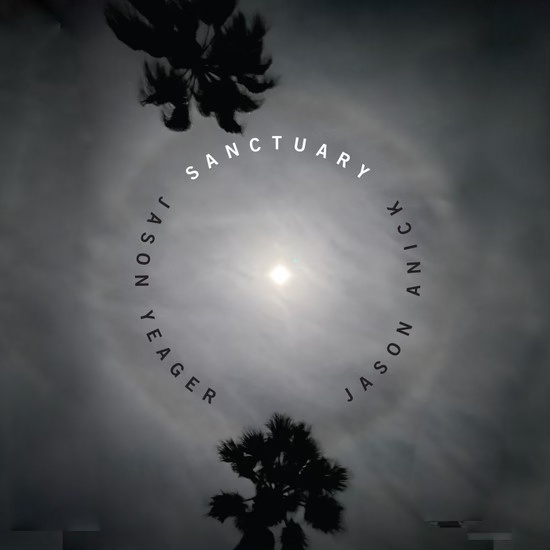
Jason Anick & Jason Yeager
Sanctuary
Sunnyside
SSC 1738
When you think of jazz violin, what you hear in your mind is most likely the sound of French Gypsy jazz (notably Stéphane Grappelli) or perhaps of 1930s American swing and hot jazz à la Stuff Smith and Joe Venuti. But violinist Jason Anick and pianist Jason Yeager have been helping to expand that stylistic spectrum for a while now, and on their second album as a duo they keep pushing those boundaries. Here the music is impressionistic, sometimes explicitly programmatic, and only occasionally swinging: leading a shifting cast of players that includes drummer Mike Connors, trumpeters Billy Buss and Jason Palmer (my gosh, so many Jasons), and cellist Naseem Alatrash, they delve into Latin-derived rhythms, neoclassical constructions, and limpid balladry, sometimes incorporating several of these elements at once — for example, “Ephemory” starts out as a floatingly lovely ballad but then becomes something more unsettled and midtempo; “AI Apocalypse” is funky and foreboding, as one might expect. Very impressive.
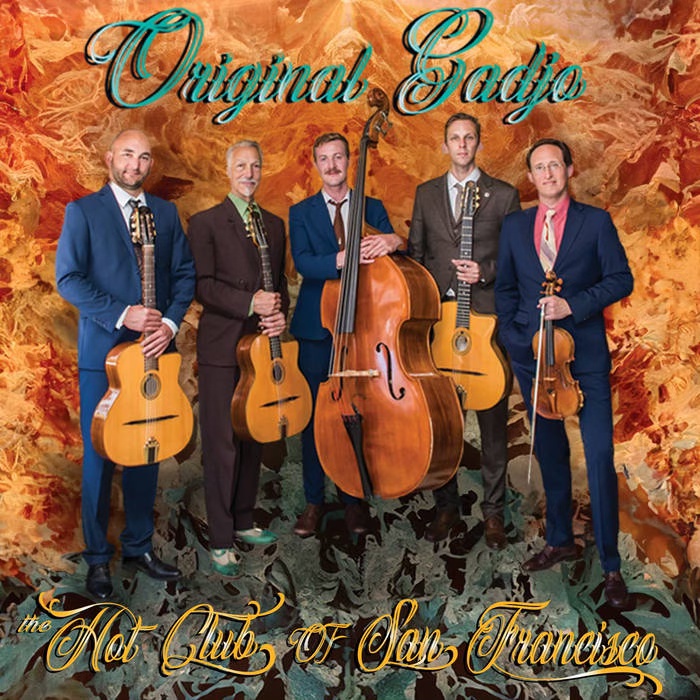
Hot Club of San Francisco
Original Gadjo
Hot Club
HCR 2706
Speaking of Gypsy jazz, let’s check in with one of America’s foremost exponents of that evergreen genre: the Hot Club of San Francisco. These guys do a great job of balancing loving tribute with forward-thinking innovation: on the one hand, the three-guitars-violin-bass lineup is about as traditional as you can get; on the other hand, the aptly titled “Manic Swing” sounds like what might have happened if Thelonious Monk had written something for the Quintet of the Hot Club de France, while “Busy Bone” combines a bustling hot-jazz groove with a virtual choir of valve trombones (to lovely effect, I might add). There’s a tango (“Para Ti”), and that rarest of things — a 6/8 jazz tune (“I’ll Call You Back”). The band’s puckish humor comes out not only in their unusual stylistic fusions, but also in their whimsical tune titles (“Blame It on the Asiago,” “Praise D. Lloyd,” etc.). The album is a delight from start to finish.
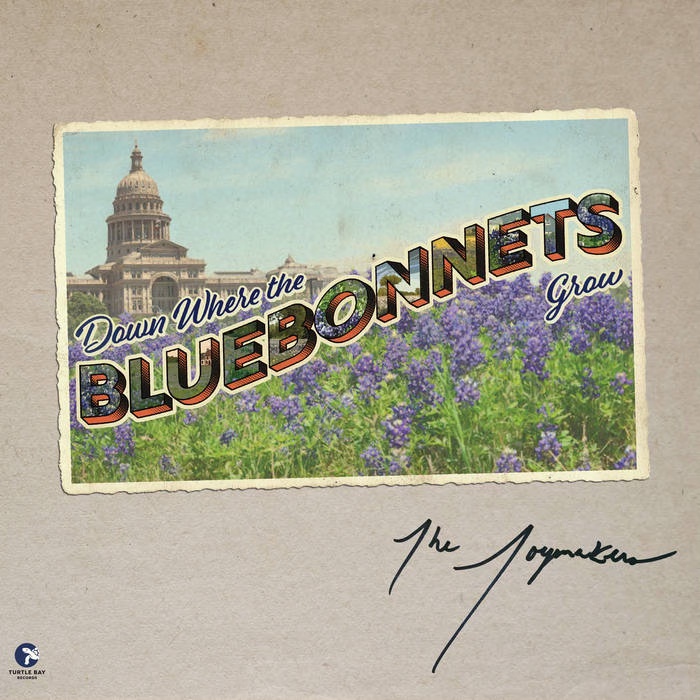
The Joymakers
Down Where the Bluebonnets Grow
Turtle Bay
TBR24004CD
It’s really too bad that there aren’t more bands interested in playing traditional, New Orleans-style jazz these days. Maybe the problem is that there aren’t enough people interested in listening to it; maybe the problem is that everyone now associates it with cheesy Dixieland groups playing in Southern Louisiana tourist traps. In any case, encountering an album like Down Where the Bluebonnets Grow from Colin Hancock’s Joymakers group just makes you realize what great music this is, and always has been. Evoking the glory days of Big Beiderbecke and the Wolverines, Sidney Bechet, and of course Louis Armstrong’s Hot Sevens, the Joymakers deliver a set of trad jazz that carries with it a slightly different flavor — because, as the album title suggests, these tunes are from Texas rather than New Orleans. (I confess that when I looked at the title I was initially expecting a program of Western swing.) So if song titles like “Crazy Quilt” and “Tia Juana” don’t immediately ring a bell, prepare to be initiated into a whole new strain of swinging musical delight. For all libraries.
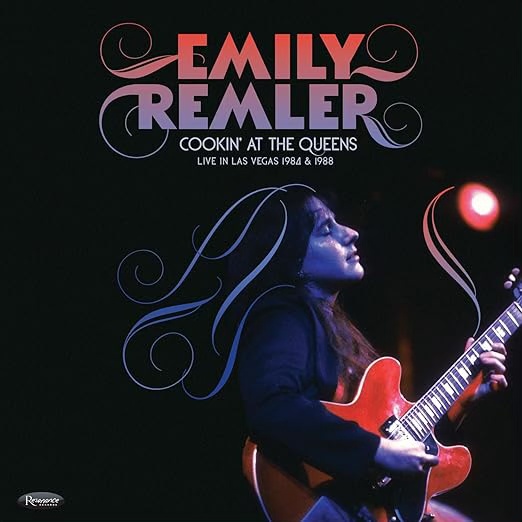
Emily Remler
Cookin’ at the Queens (2 discs)
Resonance
HCD-2076
When guitarist Emily Remler died tragically in 1990 at the age of 32, the jazz world lost one of its most exciting up-and-coming stylists. 34 years later comes this wonderful two-disc collection of live recordings made for radio broadcast at the 4 Queens casino in Las Vegas, the first set performed in 1984 and the other in 1988. The first disc finds her fronting a piano trio, while the second is a guitar-bass-drums trio performance. As always, you can hear her paying tribute to her hero Wes Montgomery (listen to that extended octaves solo on “Moanin'”), and she also spends some time in Brazilian mode (“How Insensitive,” “Samba de Orfeu,” “Manha de Carnaval”), and goes deep on some extended versions of familiar standards (“Autumn Leaves,” “Polka Dots and Moonbeams,” “All Blues”). In fact, it’s her range that impresses here almost as much as her taste and technique: whether she’s playing bossa or hard bop or the American Songbook, she sounds natural and comfortable and absolutely, 100% in the pocket. The recording quality is quite good.
FOLK/COUNTRY
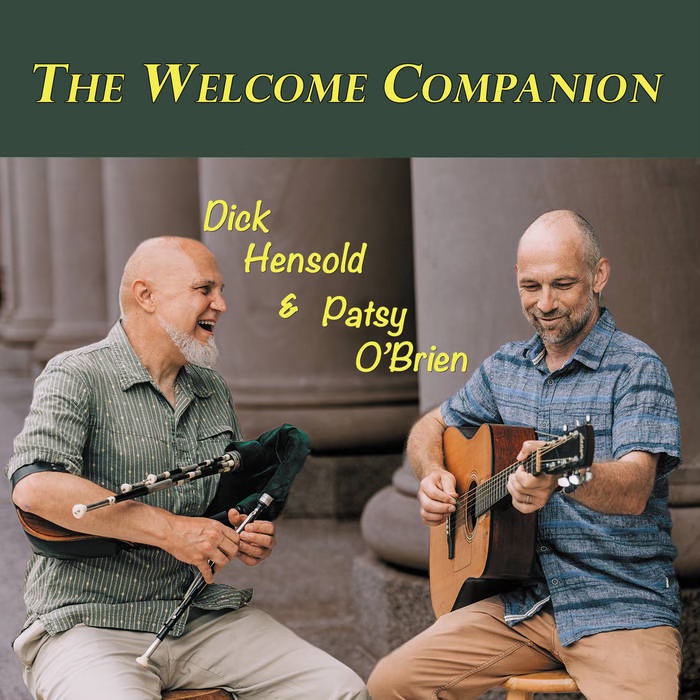
Dick Hensold & Patsy O’Brien
The Welcome Companion
Self-released
No cat. no.
If your only exposure to the bagpipes has been from listening to Highland greatpipes or to the Uilleann pipes of Irish tradition, then you should definitely check out the sound of Northumbrian smallpipes. Quieter than Highland pipes and a bit more trebly and cheerful in tone than the famously eerie and sometimes downright dolorous Uilleann pipes, Northumbrian smallpipes are ideally suited to brisk tempos and small venues. (In other words, they’re not going to inspire an army to battle, but they’re not likely to make you think gloomy existential thoughts either.) On this wonderful album, piper Dick Hensold teams up with guitarist/singer Patsy O’Brien to deliver a mixed set of traditional and original material (good luck telling the difference if you’re not already deeply familiar with the repertoire) and of instrumental tune sets and songs. Both men are virtuosos, and the tunes are delightful — and when Hensold puts down the pipes in favor of the low whistle, the hair will rise on the back of your neck, in a good way. Highly recommended to all libraries.
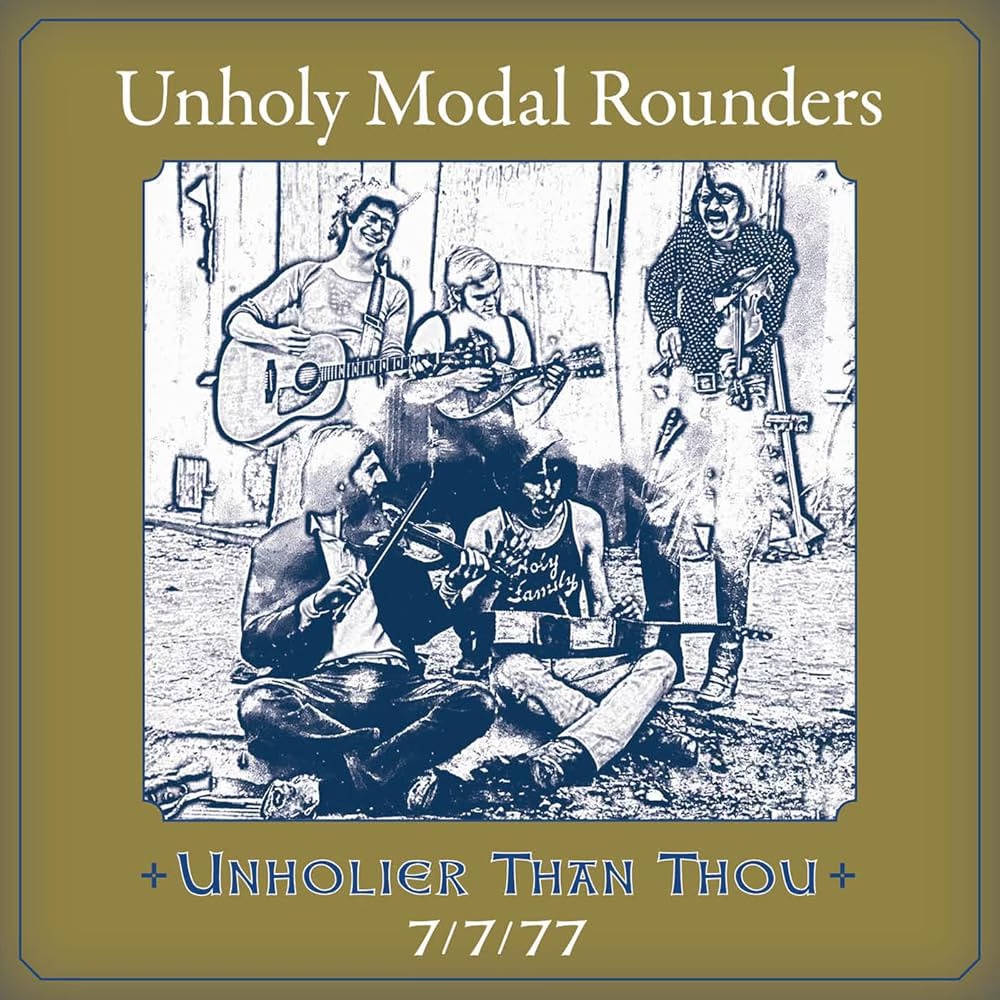
Unholy Modal Rounders
Unholier Than Thou 7/7/77 (2 discs)
Don Giovanni (dist. Redeye)
DG-267
Technically, punk rock didn’t yet exist in 1964, when Peter Stampfel and Steve Weber formed the Holy Modal Rounders in New York City. (Why they’re billed on this album as the Unholy Modal Rounders isn’t clear.) But they were a punk rock folk duo before the concept really existed, taking traditional old-time music and delivering it with a scrappy intensity that must have driven the po-faced neotraditionalists down in Greenwich Village insane. (They took a break from the Rounders for a couple of years in the mid-1960s and joined the Fugs, playing on that band’s 1965 debut album.) This two-disc set documents their final gig, an uproarious 1977 set played at the Bottom Line. By this point Weber had left, and Stampfel was joined by rhythm guitarist Charlie Messing, bassist Kirby Pines, lead guitarist Paul Presti, and drummer Jeff Berman to create music that sounds an awful like what the Pogues would make a few years later — except with an American rather than Irish accent. If you’re among Stampfel’s longtime cult of fans, this unearthed treasure is for you.
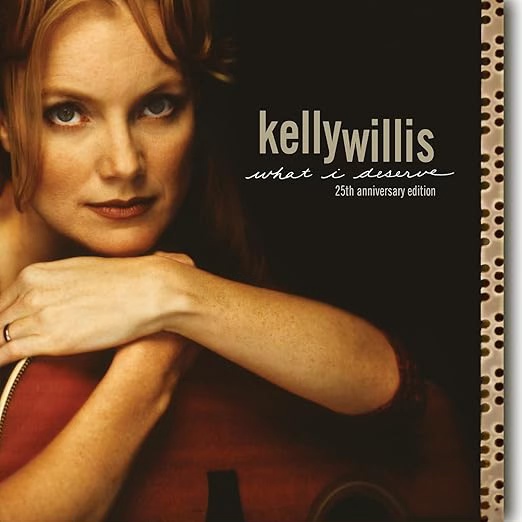
Kelly Willis
What I Deserve: 25th Anniversary Edition
Omnivore
ovcd-560
When this album originally came out 25 years ago, I had been writing reviews for about ten years, and I cued it up with moderate interest — and was very impressed. Cuing it up again 25 years later, I’m reminded forcefully what a great album it was, and what a talent it had introduced me to. Kelly Willis is country, but her style by this point had developed into something truly unique: slightly edgy but not cowpunky; tuneful but not prefab Nashville; independent but not outlaw. She wrote great hooks, but delivered them so gently that you almost didn’t feel them catching onto your brain and setting up house there. A quarter of a century later, songs like “Take Me Down,” “Cradle of Love,” and the strutting honky-tonky workout “Fading Fast” hit as hard as ever. And the five live tracks that supplement this expanded reissue are a welcome addition.
ROCK/POP
Talking Heads
Talking Heads: 77 (deluxe reissue; 3 CDs + BluRay)
Sire/Rhino
R2 725611
I realize this package may seem like a bit much — a nearly coffee-table-sized hardbound book housing the remastered original debut album by Talking Heads, a full disc of rarities and alternate versions, a disc containing an October 1977 live set from CBGB, and a BluRay disc containing high-resolution stereo, Dolby 5.1, and Atmos mixes of the original album. And yet, and yet: the book is chock-full of fantastic photos and informative essays; the rarities (including “alternate pop versions” of classics like “New Feeling” and “Pulled Up”) are almost uniformly amazing, the CBGB set is recorded with surprising clarity and documents an electrifying performance; and I can’t say anything about the BluRay disc because while I do have a BluRay player at home, it isn’t connected to a sound system that would allow me to really take advantage of the super-hi-fi mixes provided. But sumptuous as this package is, it’s far more than a sop for superfine and completists: it’s a highly valuable historical document. In other words, perfect for libraries. It would be great to see the same treatment for the rest of Talking Heads’ Sire discography.
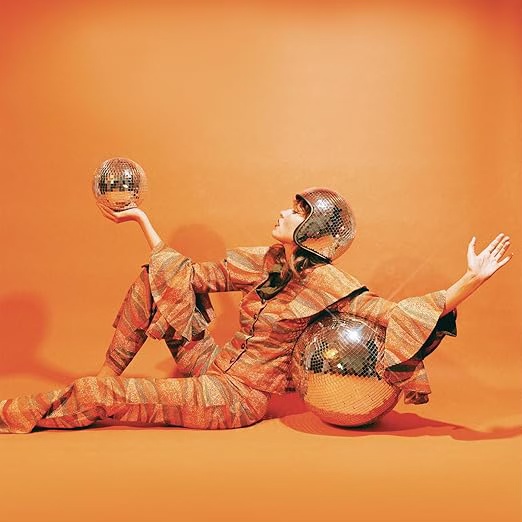
Ora the Molecule
Dance Therapy (vinyl, cassette & digital only)
Mute
1166-1
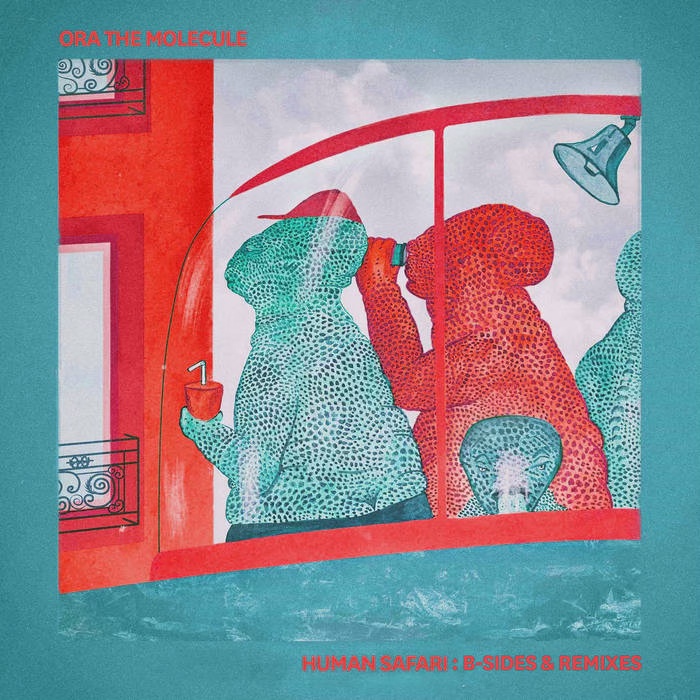
Ora the Molecule
Human Safari: B Sides & Remixes (digital only)
Mute
No cat. no.
A few years ago I enthusiastically recommended Ora the Molecule’s debut album Human Safari. Now she’s back with a new one, and it’s just as weird and delightful as the first. As before, she demonstrates an exceptional ability to exercise an avant-garde sensibility within the constraints of dance-pop convention, sometimes seeming gently to make fun of the genre’s defining characteristics (those cheesy fake strings on “Is This Love?”, those cheesy Syndrums on the cheekily titled “Cyber Fever”) and sometimes just luxuriating in them even while undermining them with odd musical gestures and charmingly semi-idiomatic English turns of phrase (“Who is that?/Prince of the rhythm”). I was also recently reminded of Human Safari: B Sides & Remixes, a generous digital-only collection that came out a couple of years ago in the wake of the debut album and is definitely worth bringing up here again. If you prefer a little extra boost of borderline industrial rhythm in your electronic pop music, then the remix of “Beat Beat Beat” by Gillian Gilbert (of New Order) is just the thing for you; if you find Ora the Molecule’s music just a bit too normal and mainstream, then check out her B side cover of Ini Kamoze’s dancehall reggae classic “Here Comes the Hotstepper.”
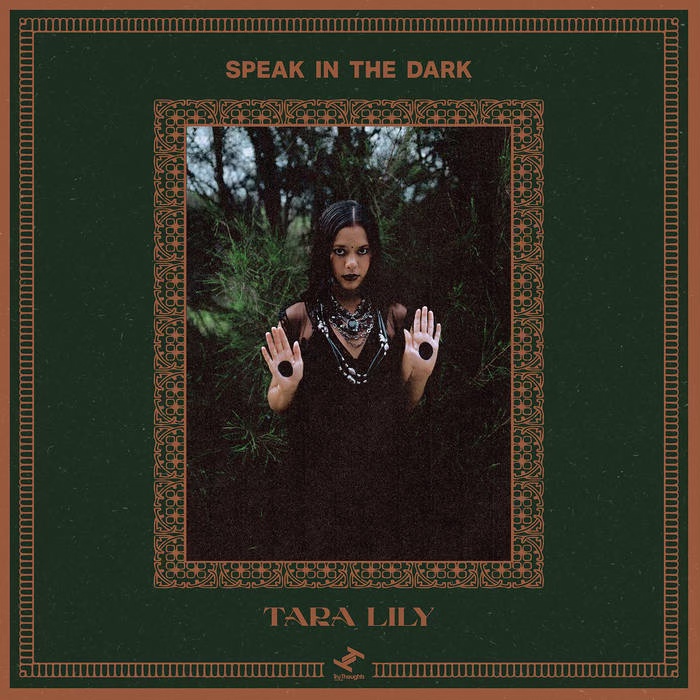
Tara Lily
Speak in the Dark (vinyl, digital & cassette only)
Tru Thoughts
TRULP459
British-Bengali singer and songwriter Tara Lily conceived her debut album as an expression of what life is like with attention deficit hyperactivity disorder, with which she was diagnosed at age 15. As she explains, the album is, accordingly, “a journey of high-energy, intense songs and deep, slow, mournful ballads.” It’s also a surprising amalgam of styles: jazz is a constant through line, but so is electropop, R&B, and classical Indian music. “Double Time” reflects its title with skittery, frenetic jungle breakbeats, while “No Way Out” is a torchy jazz-pop ballad and “Like the Ocean” finds her teamed up with gruff-voiced singer Surya Sen. Lily’s own voice is rich but generally fairly quiet, and is frequently mixed as if it were another instrument — lashings of echo and delay regularly disrupt the flow of her lyrics (particularly on the drum’n’bass workout “Breathe Now”) in a way that can be both disconcerting and revealing, given the album’s overall theme. Great stuff.
Ben Böhmer
Bloom
Ninja Tune
ZENCD302
Ben Böhmer has earned global fame as an electronica artist, one whose live sets in that genre have garnered tens of millions of YouTube views and who gigs hundreds of times per year all over the world. But his roots are in piano playing, and when you hear the opening track of his latest solo effort you may find yourself wondering if you cued up a Jukebox the Ghost album by accident. But then things get more complicated: “Hiding,” which features singer Lykke Li, sounds a bit like a drum’n’bass remix of a Cocteau Twins song; “Best Life” sounds like a guitar rocker chopped up and filtered through a digital processor; “Rust” strolls along gently but with purpose on a bed of synthetic finger snaps and a subtly swinging twostep rhythm. Techno is never too far beneath the surface here, but Böhmer never lapses into mere four-on-the-floor dance floor fodder. This is exceptionally intelligent and engaging dance music — always good to hear.
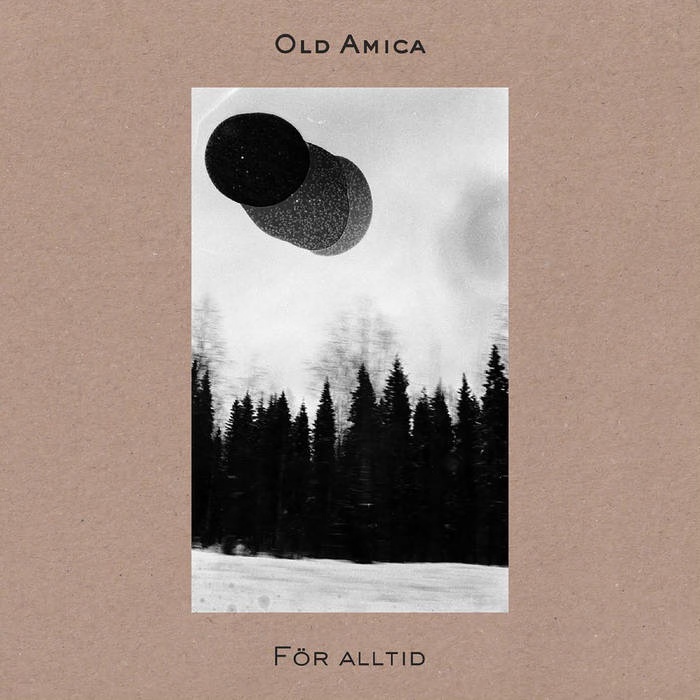
Old Amica
För Alltid (digital & cassette only)
Dronarivm
LMA-02
Here’s the whole description provided by Old Amica, the duo of Johan Kisro and Linus Johansson: “För alltid’ is an album about time. The fuzzy & shapeless memories floating without coherence. Shortwave radio recordings picking up unbroken codes from the past. Hopeful voices whispering about a possible future from a hopeless now.” So as you might have guessed, this would technically be classified as an ambient album — but as you may also know, that genre has blossomed over the years to include a very wide variety of sounds and styles, and in this case the music is sometimes comforting and almost cheerful in its quietude (note in particular “Klorofyll,” with its sweetly cathartic chord changes and background birdsong) and sometimes more dark and foreboding (“Vågorna på Arcus”) and sometimes just hard to pin down (“Neckar”). In other words, this is interesting ambient music, something of which the world always needs more.
WORLD/ETHNIC
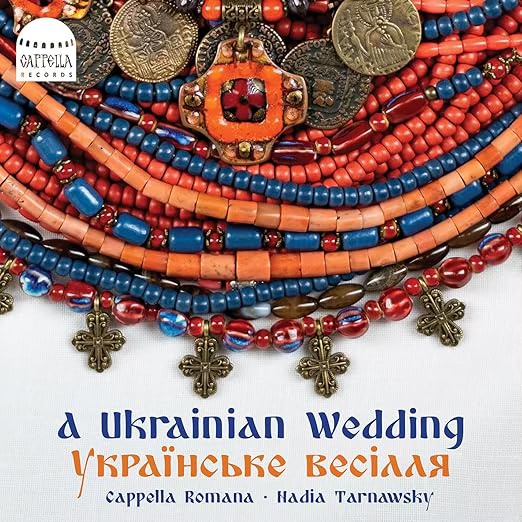
Cappella Romana
A Ukrainian Wedding
Cappella
CR431
You may have heard about Indian Hindu weddings that last several days. If that sounds exhausting to you, consider the process involved in a traditional Ukrainian wedding — which can last for more than a week, while food and ceremonial objects are prepared, the bride is made ready, the couple are bathed and dressed and blessed, and parties are held both before and after the event itself. Throughout this process, traditional songs are sung by friends and family; secular ones before and after, and sacred ones during. This remarkable album, organized by Ukrainian-American folklorist Nadia Tarnawski, takes us through the whole experience, from solo and group songs with titles like “Our Oven Is Laughing” and “Oh the Gates Creaked” through sacred and liturgical songs, to the closing benediction: “Grant them, Lord, many years/Many, many years!”. There is a particular bittersweetness to this music given current events in the region, but the album is a magnificent listening experience as well as a very useful cultural document.
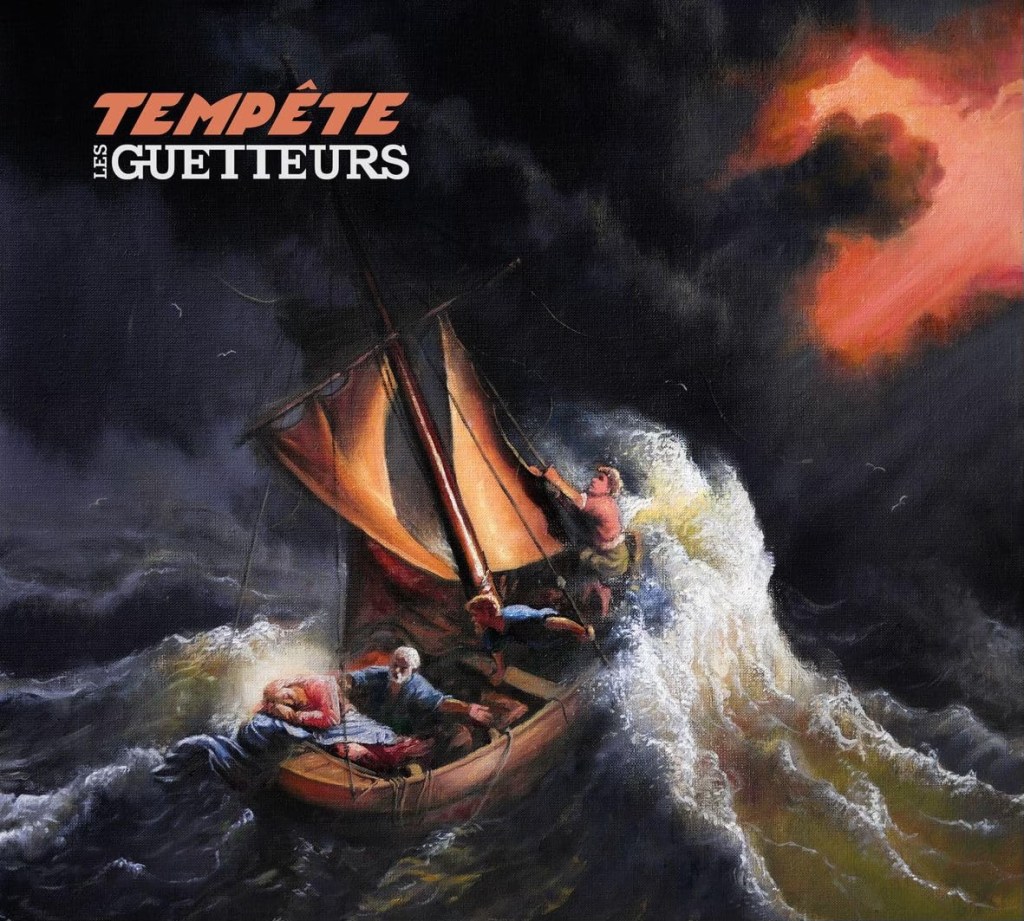
Les Guetteurs
Tempête
Soulbeat Music
No cat. no.
Twan Tee
Outrospection (vinyl only)
Baco
LTWA3LP
Ever since encountering Massilia Sound System back in the early 1990s, I’ve had a special soft spot in my heart for French reggae artists. Sometimes they’re Jamaicans, refugees from that island’s almost entire loss of interest in old-school reggae sounds; sometimes they’re African immigrants, or ethnically European French citizens who just love the music and have gotten it down deep into their hearts. Les Guetteurs (“the watchers”) are a band from Boulogne-Billancourt, just outside of Paris, and are led by François-Joseph Ambroselli, a.k.a. Fratoun, who writes and sings songs deeply informed by his Christian faith. Fratoun’s singing style sometimes brings to mind Israel Vibration, while his band’s playing both draws deeply on 1970s reggae and often subtly pushes its boundaries to exciting effect. Bordeaux-based Twan Tee, on the other hand, operates in a more hard-edged dancehall style (abetted by his longtime producer Oddy), delivering heavy contemporary reggae grooves that support his supple singjay vocals. He teams up with Warrior King on the heavyweight rub-a-dub workout “Bridge” and with Omar Perry on the atmospherically dubby “Babylon Walls,” and throughout the album he manages to create a highly personal version of reggae that pays ample respect to the old-school verities. Both releases are highly recommended.

Raz & Afla
Echoes of Resistance (vinyl & digital only)
Wah Wah 45s
WAHLP031
Producer/composer Ray Olsher and percussionist/singer Alfa Sackley (of Afrik Bawantu) are a match made in global dance heaven. Olsher’s deep experience in creating cross-cultural electronic soundscapes and Sackley’s instrumental virtuosity and warm singing voice combine to create songs that strike that elusive, perfect balance between multilayered density and nimble funkiness. “Shikor Shikor” is a dancefloor-ready loverman come-on, while “E No Be Me” is more sonically complex, with a stutter-step beat and arena-sized reverb on the vocals. “On Da Fone,” on the other hand, embeds a lament over our device-centric culture in a shuffling Afro-techno beat with an earworm chorus. This is one of those albums that is composed almost entirely of elements that will sound familiar, but that are combined, chopped up, and recombined in ways you’ve never heard before.
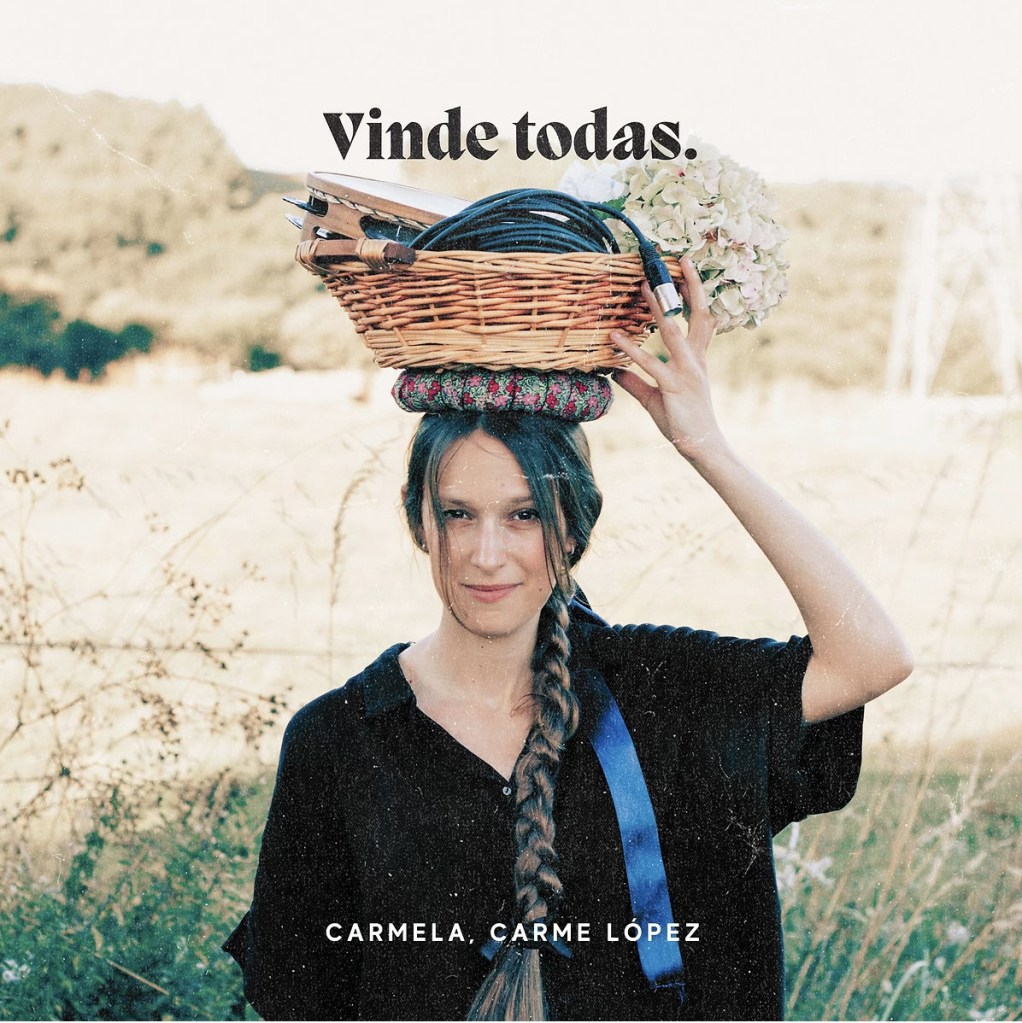
Carmela
Vinde Todas
Segell Microscopi
No cat. no.
This is one of the oddest and most exciting musical folklore projects I’ve encountered. Galician singer and folklorist Carmel López, who records here under the name Carmela, takes songs that she learned during fieldwork with Spanish women from the region — some of them over 80 years old — and presents them in a manner both deeply traditional and startlingly modern. Farm tools are used as percussion instruments in the time-honored style, and her singing draws deeply on rural musical tradition, but she also brings digital sound processing to bear in ways one might not expect. Notice, for example, how “Lina e Lola” takes the sounds of traditional hand percussion and Carmela’s vocals and throws them into a digital blender, creating almost robotic sounds from the deeply traditional acoustic source material; note also the synthesizer and digital percussion that gently accompany the woman-and-children arrangement of the sweetly lyrical “Rosiña.” Any library that supports an ethnomusicology collection would be well advised to check this one out.
 CD HotList